Most people don’t ignore a dental problem because they want to. They ignore it because they’re hoping it will settle on its own. A nagging toothache becomes “I’ll wait another day.” A missing tooth turns into something you quietly chew around. And when someone mentions a root canal, it’s often the treatment, not the tooth, that causes the most worry.
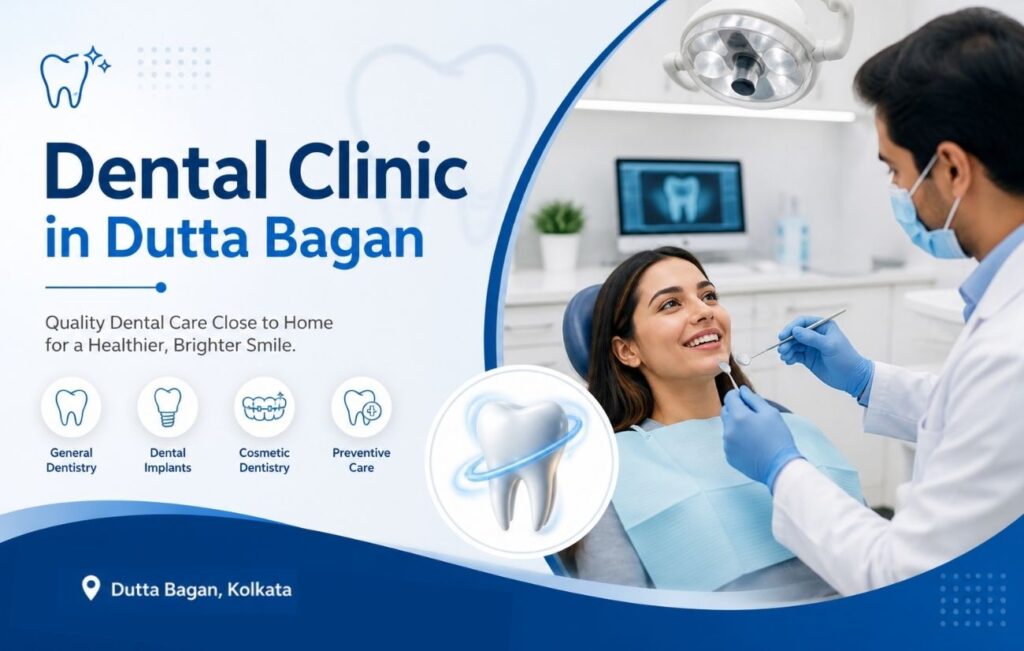
If you’re searching for a Dental Clinic in Dutta Bagan, it’s worth understanding your options before making a decision. Modern dentistry offers several ways to treat damaged, infected or missing teeth, but the right choice always depends on your individual condition. Knowing what these treatments involve can make the whole experience feel far less overwhelming.
Sometimes a Toothache Means More Than a Filling
Not every toothache points to the same problem. A mild cavity may only need a filling, while deeper damage might require more extensive treatment. That’s why dentists don’t recommend treatment based on symptoms alone.
Here are a few signs that shouldn’t be ignored:
Pain while chewing – This could mean the tooth has a deep crack, severe decay or infection.
Lingering sensitivity – If hot or cold foods continue to hurt even after you’ve stopped eating, the nerve inside the tooth may be affected.
Swelling around the gums – Swelling or tenderness can sometimes indicate an infection that needs prompt attention.
Recurring toothache – Pain that comes and goes is still worth investigating, even if it temporarily settles.
None of these symptoms automatically mean you’ll need a root canal treatment, but they do suggest it’s time for a proper dental examination. Catching the problem early often gives your dentist more treatment options.
Root Canal Treatment: What Really Happens?
Few dental procedures have attracted as many myths as a root canal. The reality is usually much simpler than people expect.
A root canal treatment may be recommended when infection or deep decay reaches the soft tissue inside the tooth. Rather than removing the entire tooth, the aim is to save it whenever possible.
The treatment generally involves a few key steps:
Cleaning the infected area – The damaged tissue inside the tooth is carefully removed.
Disinfecting the canals – The inside of the tooth is cleaned to reduce infection.
Sealing the tooth – The canals are filled and sealed to help prevent future problems.
Restoring strength – Depending on the condition of the tooth, a dental crown may later be advised to protect it.
Many people also search for “painless root canal treatment.” While no dentist can honestly promise that every patient will have exactly the same experience, modern local anaesthesia and improved dental techniques have made root canal procedures far more comfortable than they were years ago. In most cases, the treatment is intended to relieve the pain caused by an infected tooth rather than create additional discomfort.
Replacing a Missing Tooth Is About More Than Appearance
A gap in your smile is often the first thing people notice, but it’s usually not the biggest concern.
A missing tooth can gradually affect the way you eat, speak and even how neighbouring teeth sit in your mouth. Over time, chewing on one side becomes a habit, and that can place extra pressure on the remaining teeth.
Depending on your oral health, your dentist may discuss different replacement options.
Dental implants
- Replace the missing tooth root with a titanium implant placed in the jawbone.
- Support a custom-made crown that looks and functions like a natural tooth.
- Stay fixed in place rather than being removed for cleaning.
- May be considered only after assessing bone health, gum condition and overall oral health.
Other replacement options
Some patients may be better suited to bridges or removable dentures, depending on factors such as the number of missing teeth, surrounding teeth and overall dental condition. There’s no single solution that’s right for everyone.
Whatever treatment is chosen, long-term success depends on regular oral hygiene, follow-up care and attending routine dental check-ups.
Cosmetic Dentistry Isn’t Only About Whiter Teeth
Many people associate cosmetic dentistry with teeth whitening, but it covers a much broader range of treatments. The aim is to improve the appearance of your smile while preserving the health and function of your teeth.
Depending on your needs, your dentist may recommend:
Teeth whitening – Helps reduce stains that don’t improve with everyday brushing.
Dental crowns – Restore the appearance and strength of teeth that are worn, cracked or heavily restored.
Smile correction – May involve combining different treatments to improve the overall appearance of the teeth.
Cosmetic restorations – Used to repair chipped or uneven teeth while keeping them as natural-looking as possible.
Cosmetic treatment isn’t usually the starting point. If there’s untreated decay, gum disease or another underlying dental problem, those issues are normally addressed first. Healthy teeth and gums provide the best foundation for any aesthetic treatment.
The best cosmetic results rarely look artificial. In most cases, the goal is simply to create a smile that looks healthy, balanced and natural rather than dramatically different.
Every Good Treatment Plan Starts With the Same Thing
One reason two people with similar toothaches receive different treatments is that the underlying problem isn’t always the same.
A dentist doesn’t decide on a root canal, an implant or any other procedure just by listening to symptoms. The first step is understanding what’s actually causing them.
A proper assessment may include:
A clinical examination – To check the condition of your teeth, gums and bite.
Digital dental X-rays – These help reveal problems hidden below the surface, such as deep decay, infection or bone loss.
A review of your dental history – Previous treatments, existing restorations and overall oral health can all influence the treatment plan.
Once the cause is clear, your dentist can explain the available options, why one approach may be more suitable than another and what you can realistically expect from the treatment.
Good dentistry isn’t about recommending the most complex procedure. It’s about recommending the one that best suits your condition.
A Dental Clinic Should Make You Feel Informed, Not Rushed
People often judge a clinic by its reception area or online reviews. Those things matter, but the real experience begins once you sit in the dental chair.
A good consultation doesn’t leave you guessing.
Instead, you should walk away with a clear understanding of what’s happening and why a particular treatment has been suggested.
Some signs of a patient-focused clinic include:
Clear communication – Procedures are explained in simple language without unnecessary jargon.
Time for questions – Patients are encouraged to understand their options before making decisions.
Modern diagnostic support – Appropriate technology helps dentists assess problems more accurately.
Attention to comfort – Small things, like explaining each step of a procedure, can make treatment far less stressful.
The aim isn’t simply to complete a procedure. It’s to help patients feel confident about the care they’re receiving.
Arogyam Dental, Paikpara: A Nearby Option for Patients Around Dutta Bagan
For people searching for a Dental Clinic in Dutta Bagan, it’s also worth exploring nearby practices that offer a broad range of dental services. Arogyam Dental, located in Paikpara, Kolkata, is one such option.
Te clinic provides preventive and general dentistry alongside treatments such as root canal therapy, dental implants, orthodontics, cosmetic dentistry and smile enhancement. The team also offers care across specialised areas including endodontics, periodontics, paediatric dentistry and oral surgery.
The clinic highlights several features that support patient care:
- Digital diagnostics to assist with treatment planning.
- Modern treatment facilities with a strong focus on sterilisation and hygiene.
- A multidisciplinary team led by Dr Abhirup Mukherjee, supported by dentists from different specialities.
- Home dental services for selected treatments, where appropriate.
- No-cost EMI options for eligible treatments.
These features don’t determine whether a treatment is right for someone. They simply help create an environment where diagnosis, treatment planning and patient care can be approached more effectively.
Conclusion
Choosing a clinic involves more than comparing locations or treatment names. Careful diagnosis, clear communication, suitable technology and a dentist who takes time to explain your options often make the biggest difference to your overall experience.
For patients living around Dutta Bagan, Arogyam Dental in Paikpara offers a range of dental services, including general and preventive care, root canal treatment, dental implants, orthodontics and cosmetic dentistry.The clinic combines digital diagnostic support with a multidisciplinary dental team to provide treatment that’s planned around each patient’s individual needs rather than a standard approach.
FAQs
- Will every painful tooth need a root canal?
No. Tooth pain can have several causes, including cavities, gum problems or cracked teeth. A dentist can only decide on the right treatment after examining the tooth.
- Can I get a dental implant as soon as a tooth is removed?
It depends on your oral health and the condition of the surrounding bone. Some patients may be suitable for earlier treatment, while others may need a healing period first.
- Is cosmetic dentistry only for improving appearance?
Not always. Some treatments, such as dental crowns, can improve both the appearance and the strength of a damaged tooth. Your dentist will recommend what’s appropriate for your situation.
- What should I expect during my first dental consultation?
Your dentist will usually discuss your symptoms, examine your teeth and gums and, if needed, recommend investigations such as dental X-rays. The aim is to understand the problem before suggesting any treatment.